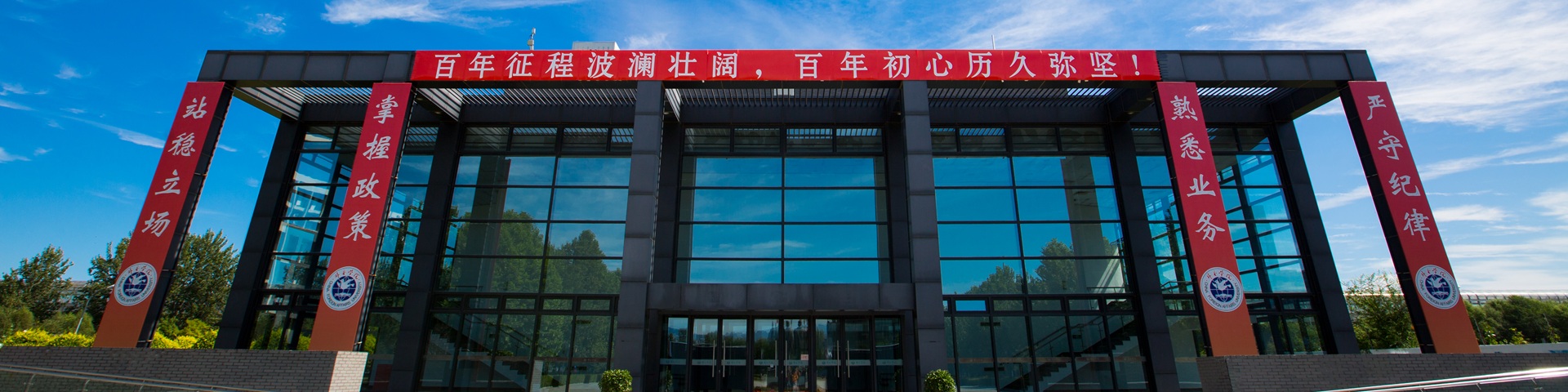
On July 6, 2026, the Network of East Asian Think-tanks (NEAT) working group meeting on 'Green Transition and Energy Security Cooperation in ASEAN Plus Three' was successfully held in Guiyang, Guizhou Province, China. The meeting was hosted by China Foreign Affairs University, the NEAT country coordinator for China, and organized by Guizhou University. More than 30 experts and scholars from ASEAN, China, Japan and the ROK attended, and Wang Shiting, Secretary of the CPC Committee of CFAU, led the NEAT China delegation.
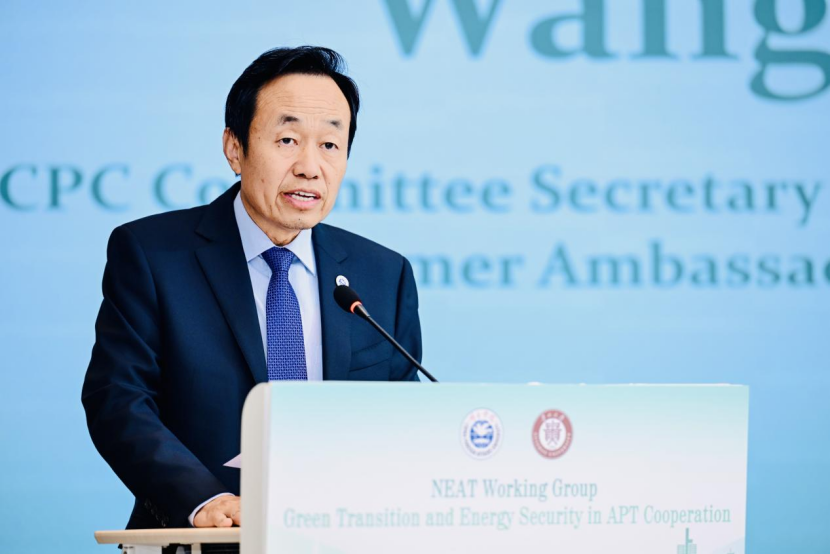
At the opening ceremony, on behalf of China Foreign Affairs University, Secretary Wang Shiting extended a warm welcome to representatives from ASEAN countries, China, Japan and the ROK, and stressed that as the NEAT country coordinator for China, CFAU has long been committed to providing intellectual support for East Asian cooperation. He pointed out that as once-in-a-century changes accelerate and the international situation remains turbulent, building a community with a shared future for humanity is our only correct direction. Holding this working group meeting is a key step in advancing the building of a community with a shared future in the neighborhood and the only path for the region to jointly respond to changes and safeguard energy security together. Energy security is the lifeline of regional development, and the green transition is the cornerstone of a sustainable future. By deepening policy coordination and technological cooperation in green energy, we are not only protecting our own homelands but also jointly building the foundation of regional prosperity and stability.
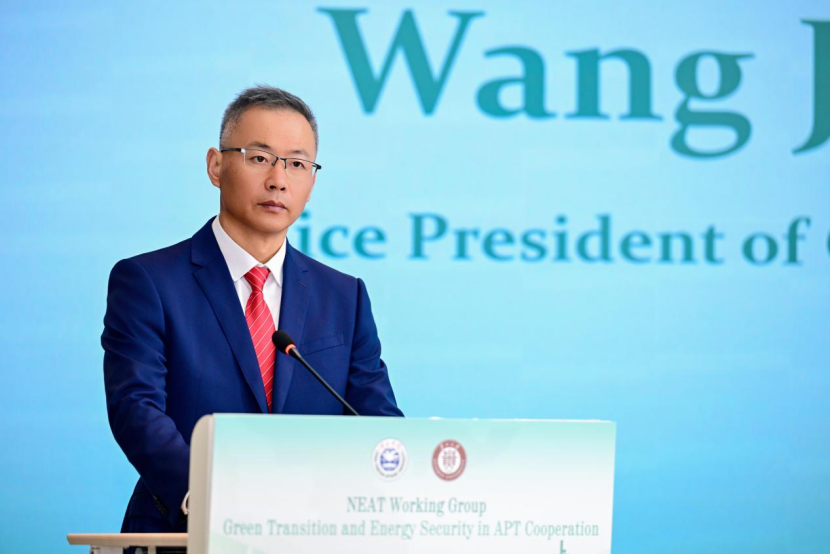
Yang Wei, Secretary of the CPC Committee of Guizhou University, met with all participating representatives, welcomed the guests from all parties, and looked forward to strengthening practical cooperation with East Asian countries. Wang Jinrong, Member of the CPC Standing Committee and Vice President of Guizhou University, attended the opening ceremony and delivered welcome remarks. He noted that against the backdrop of changes unseen in a century, the green transition and energy security are of concern to all East Asian countries, and all parties should deepen cooperation to jointly advance sustainable development. Relying on its disciplinary strengths in ecology and green energy, Guizhou University will leverage the NEAT platform to promote international academic exchanges and joint research, contributing wisdom and strength to regional green cooperation.
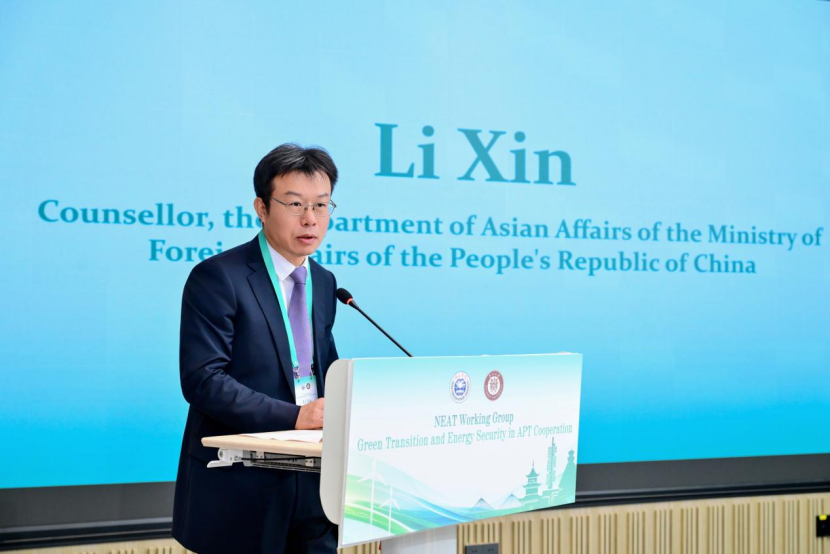
In his remarks, Li Xin, Counselor of the Department of Asian Affairs of the Chinese Ministry of Foreign Affairs, pointed out that with geopolitical conflicts and climate governance challenges intertwined, East Asia's energy security and sustainable development face pressure, making this meeting on the theme of 'green transition and energy security cooperation' most timely. He stressed that China stands ready, under the ASEAN Plus Three cooperation framework, to deepen policy coordination and technological cooperation, leverage platforms such as clean energy centers, advance the orderly transition of the energy mix, and jointly safeguard regional energy security. He looked forward to active exchanges among all parties, with advice and suggestions for the region's green and sustainable development, supporting East Asia's prosperity and stability.
The opening ceremony and the three sessions of speeches and discussions were chaired respectively by Professor Yang Yue, Deputy Director of the Institute of Asian Studies of CFAU; Yang Da, Director of the ASEAN Studies Institute of Guizhou University; Khen Seaklay, Deputy Director of the ASEAN General Department of the Ministry of Foreign Affairs and International Cooperation of Cambodia; and Lam Peng Er, Principal Research Fellow of the East Asian Institute of the National University of Singapore.
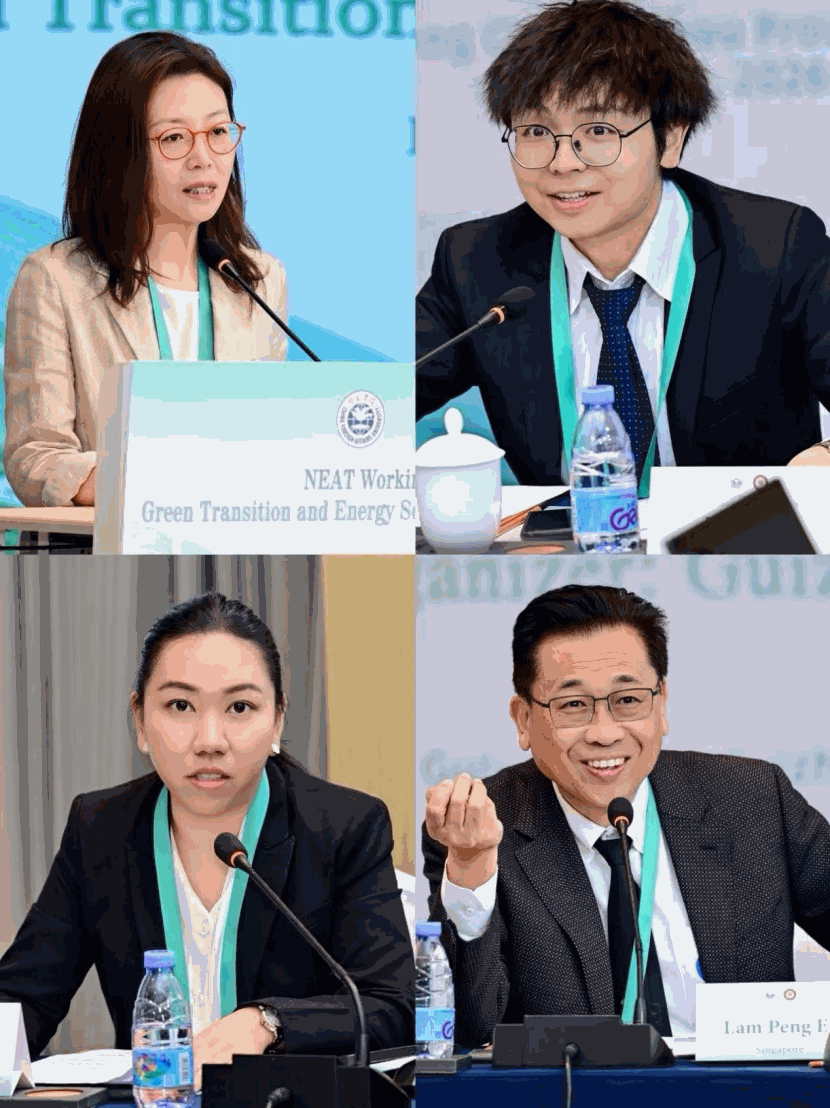
The participating experts agreed that ASEAN Plus Three cooperation needs to advance the green transition and energy security in a coordinated manner, relying on existing mechanisms to deepen practical cooperation in regional power grid interconnection, technological innovation, green finance and emergency reserves. At the same time, the experts stressed the need to respect the heterogeneity of countries' development stages, promote just and inclusive energy governance, and, through innovation platforms and localized capacity building, comprehensively enhance the resilience and sustainability of the regional energy system.
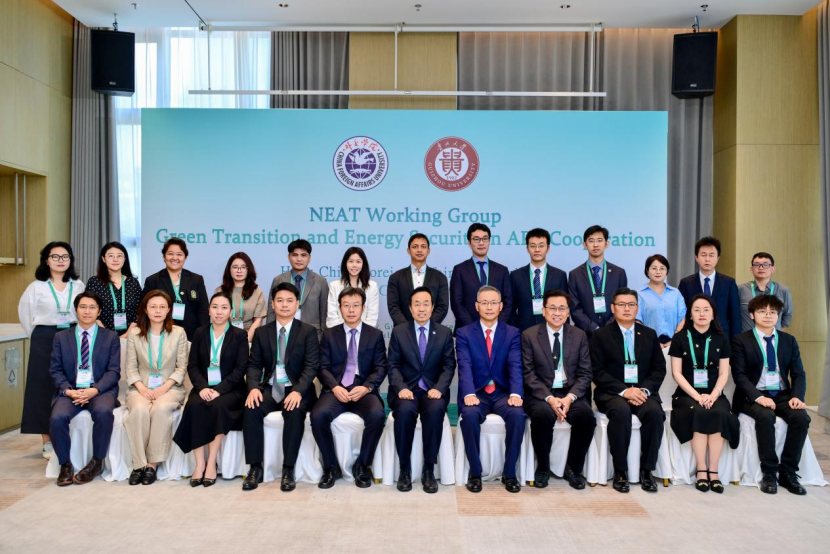
On July 7, the participating experts and scholars visited green energy enterprises in Guizhou Province.
Associate Research Fellow Miao Ji and Lecturer Zhao Xiao of the Institute of Asian Studies of CFAU accompanied the delegation in the above activities.
