From November 24 to 26, 2025, during the 114th regular session of the World Trade Organization's Committee on Agriculture held in Geneva, Switzerland, China hosted a thematic seminar titled “Promoting Sustainable Development in Agriculture and Trade.” The event shared China's experiences and , receiving high praise from all participating parties.
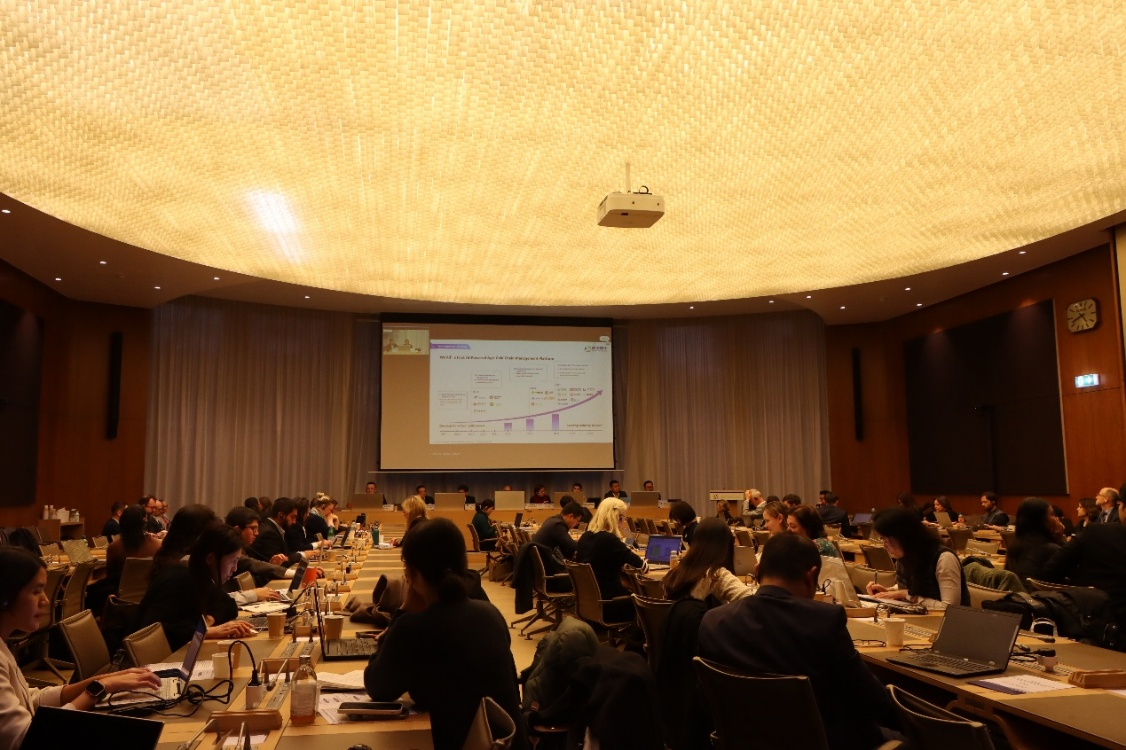
The symposium was jointly organized by China's Permanent Mission to the WTO and the China Foreign Affairs University, with the Secretariat of the Center for the Community of Shared Future for Mankind and the School of International Economics serving as co-hosts. Participants from international organizations, governments, academia, and industry engaged in discussions on advancing sustainable agriculture and trade through global economic cooperation and the development of artificial intelligence and digital technologies.
The thematic seminar was chaired by Diwakar Dixit, Senior Counsellor of the WTO Agriculture and Commodities Division. He extended a warm welcome and sincere gratitude to the organizers for hosting the seminar during the regular session of the WTO Committee on Agriculture. Qin Tianfang, Counselor of the Permanent Mission of China to the World Trade Organization, delivered a welcome address. He noted that the global landscape of agriculture and trade is undergoing transformation, with rising unilateralism and protectionism threatening the rules-based multilateral trading system and exacerbating market fragmentation. Simultaneously, climate change, geopolitical tensions, and the far-reaching impacts of the COVID-19 pandemic have exposed the fragility of global food supply chains, posing long-term risks to global food security.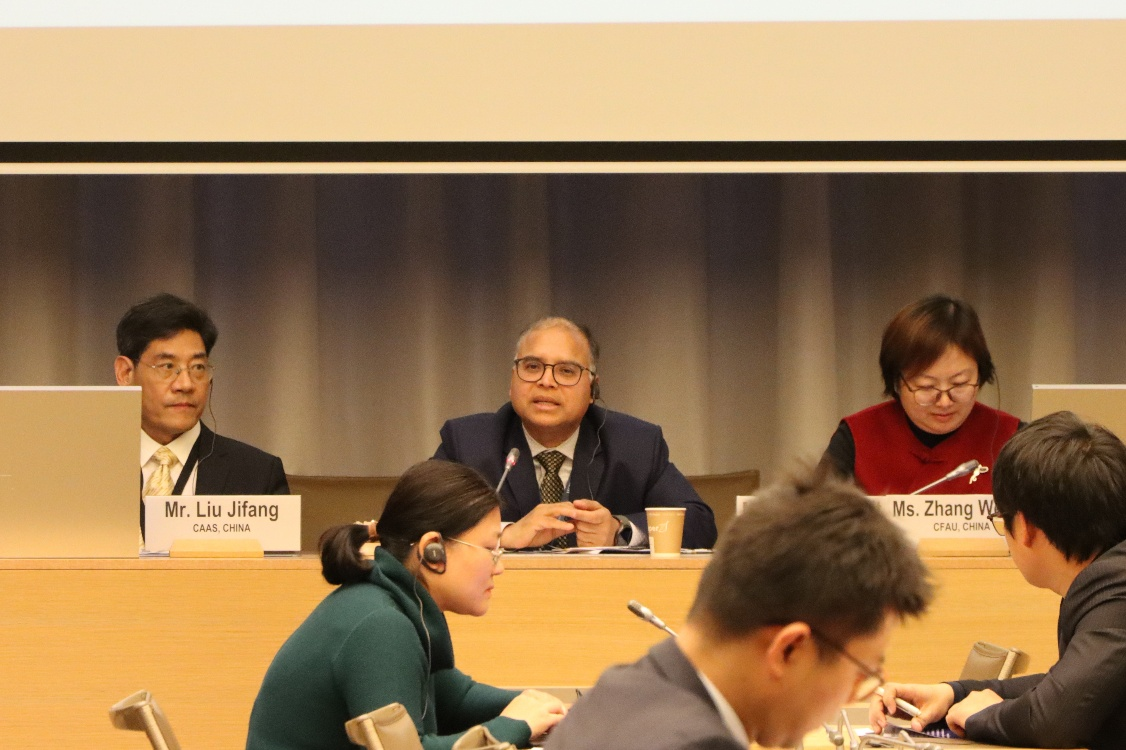
Senior Counsellor Diwakar Dixit of the WTO Agriculture and Commodities Division chaired the meeting.
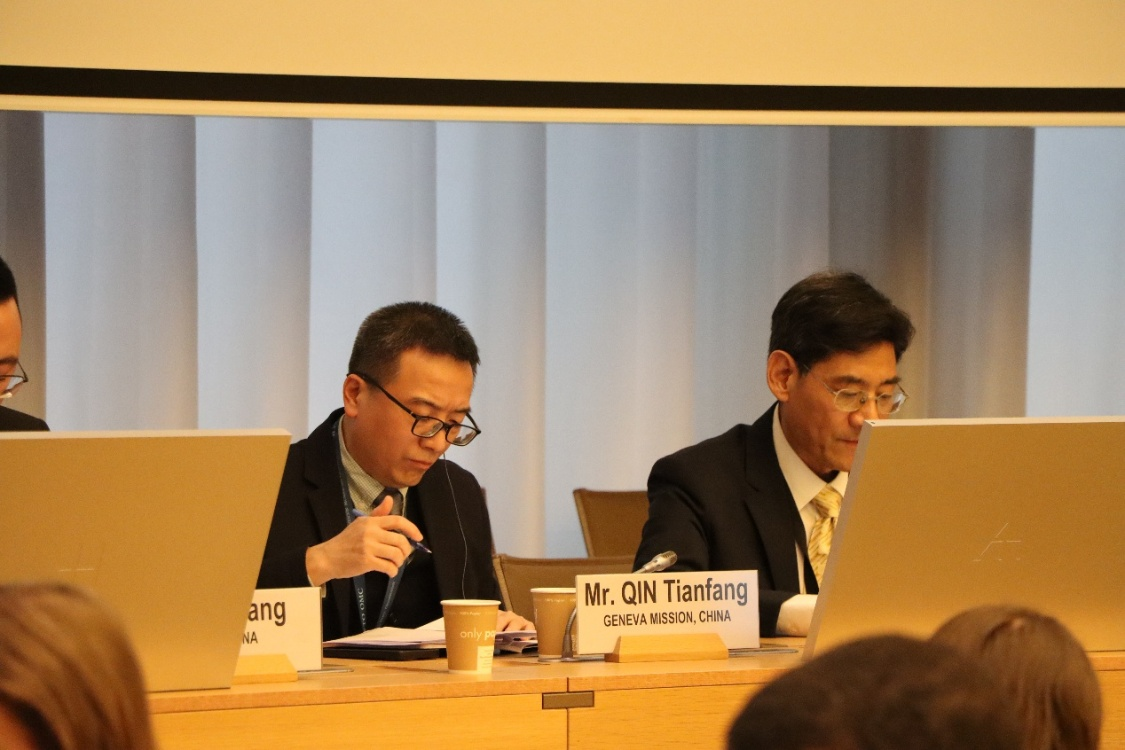
Address by Counselor Qin Tianfang of the Permanent Mission of China to the World Trade Organization
Researcher Liu Jifang, Party Secretary and Deputy Director of the Institute of Agricultural Information at the Chinese Academy of Agricultural Sciences, and Professor Zhang Wenjia, Vice Dean of the School of International Economics at the China Foreign Affairs University, delivered keynote speeches respectively. Researcher Liu Jifang emphasized that chronic hunger, land degradation, and food insecurity are interconnected global challenges. Deepening digital cooperation is pivotal to unlocking a new future for global agriculture. He proposed initiatives to advance the standardization of digital agricultural technologies and infrastructure, jointly promote digital technology transfer and knowledge sharing, and cultivate talent for smart agriculture.
Professor Zhang Wenjia emphasized that strengthening global economic cooperation serves as the core driving force for advancing sustainable development worldwide. It holds critical significance for addressing the severe challenges currently facing global agriculture and food security. She urged urgent efforts to: refine the multilateral rules system to solidify the institutional foundation for sustainable trade; synergistically advance the digital-green transition to unlock the potential of innovative solutions; focus on pragmatic cooperation projects to build mutual trust; and actively cultivate talent in global economic governance to inject sustained momentum into building a collaborative governance ecosystem.
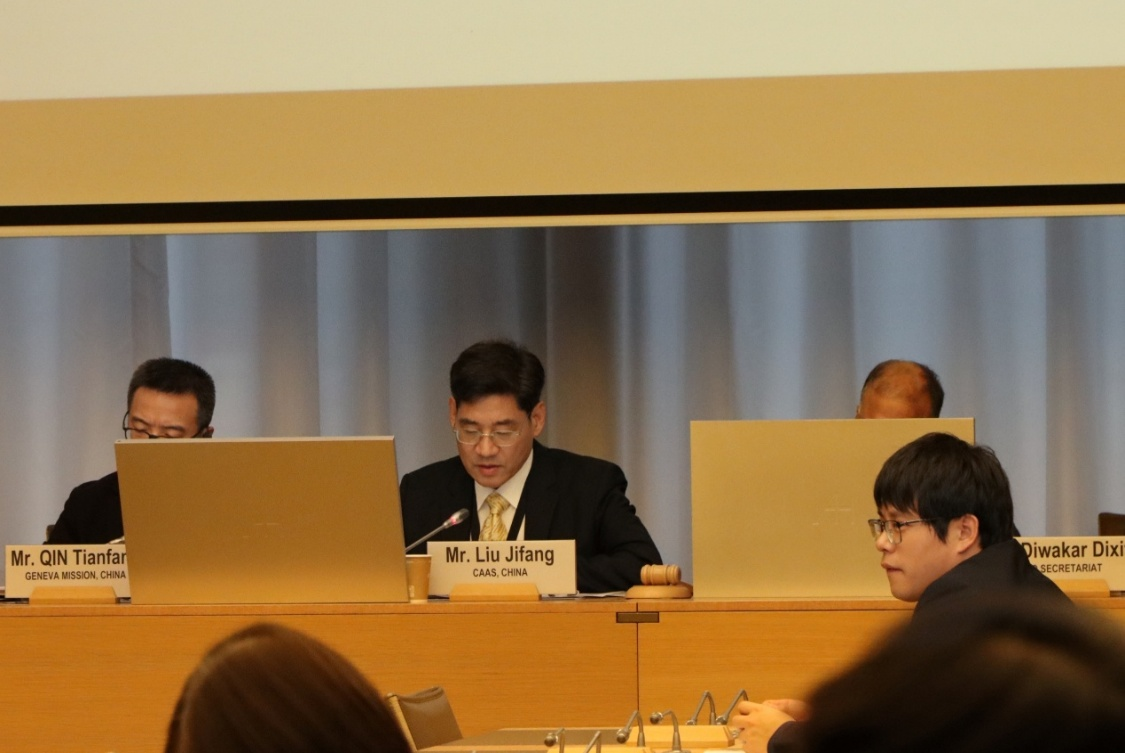
Researcher Liu Jifang, Party Secretary and Deputy Director of the Institute of Agricultural Information at the Chinese Academy of Agricultural Sciences, delivered a speech.
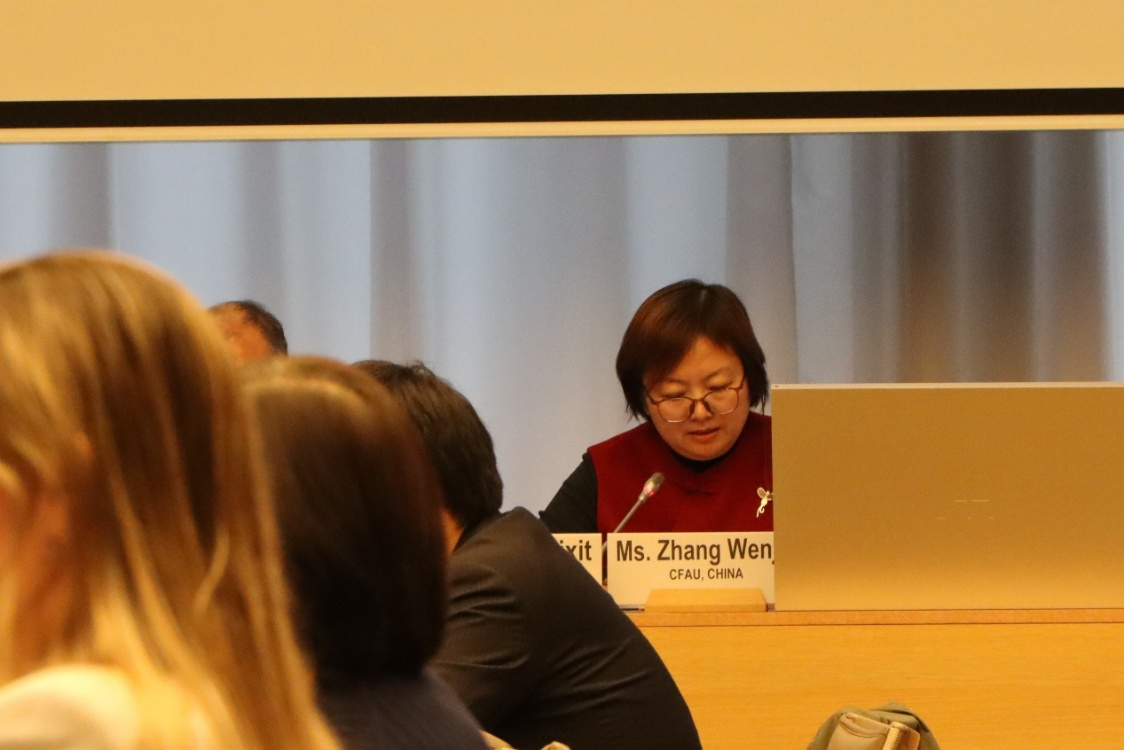
Professor Zhang Wenjia, Vice Dean of the School of International Economics at the China Foreign Affairs University, delivered remarks.
The conference then held parallel forums, with four experts from international organizations, academic institutions, and leading enterprises delivering presentations. Pinar Karakaya, Economist at the FAO Office in Geneva, provided a detailed analysis of the digital evolution of phytosanitary certificates in agricultural trade. She emphasized that addressing the challenges of digitalization in international agricultural trade requires establishing robust public policy frameworks, achieving inclusive digital trade that encompasses all supply chain participants, taking concrete actions to advance and improve digital infrastructure, and developing and adopting multilateral digital trade standards, rules, and protocols.
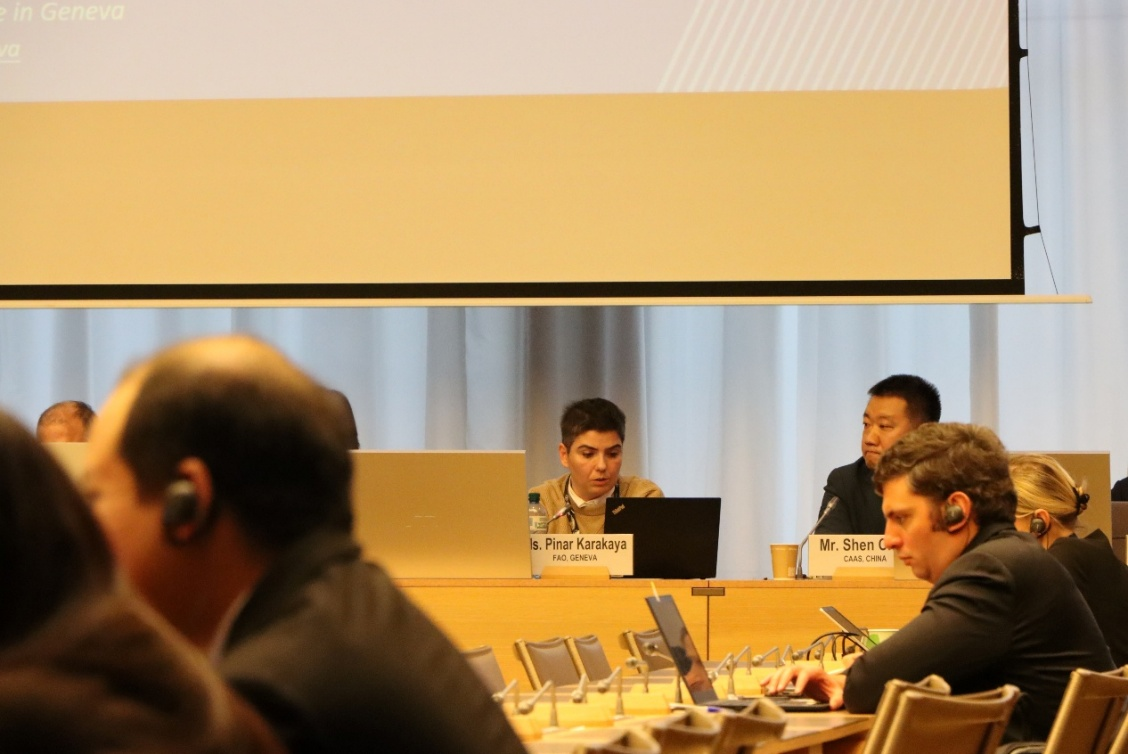
Pinar Karakaya, Economist at the Food and Agriculture Organization of the United Nations (FAO) Office in Geneva, delivered a statement.
Associate Professor He Gang, Deputy Director of the Secretariat at the Research Center for the Community of Shared Future for Mankind, examined the three major challenges facing global agricultural development: the productivity dilemma, infrastructure gaps, and technological divides. Within the framework of Belt and Road cooperation, he explored how international collaboration can empower AI development in developing countries. Drawing on practical experience and evidence of how artificial intelligence has helped China integrate into the global agricultural value chain, he provided reference pathways for developing countries to advance agricultural modernization.
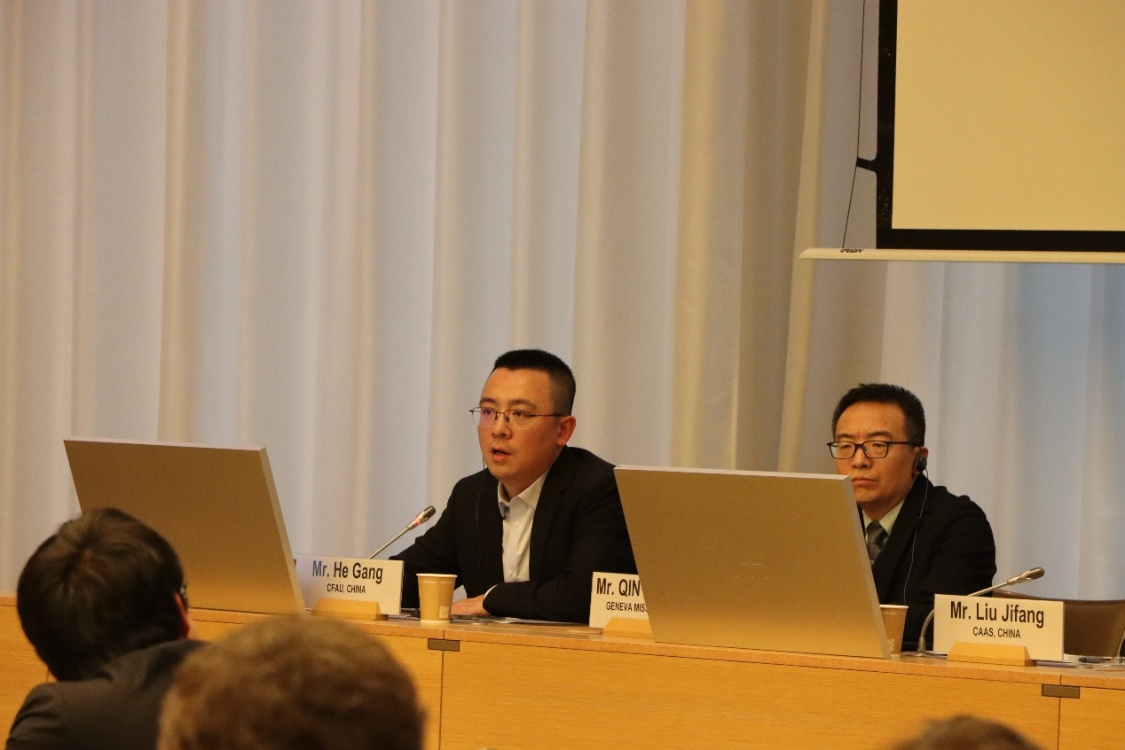
Associate Professor He Gang, Deputy Director of the Secretariat of the Research Center for the Community of Shared Future for Mankind, delivered remarks.
Associate Researcher Shen Chen from the Institute of Agricultural Informatics at the Chinese Academy of Agricultural Sciences introduced core digital agriculture technologies and their practical applications. Using China's digital livestock industry as an example, he highlighted the critical role of digital agriculture in addressing food security and climate change challenges.
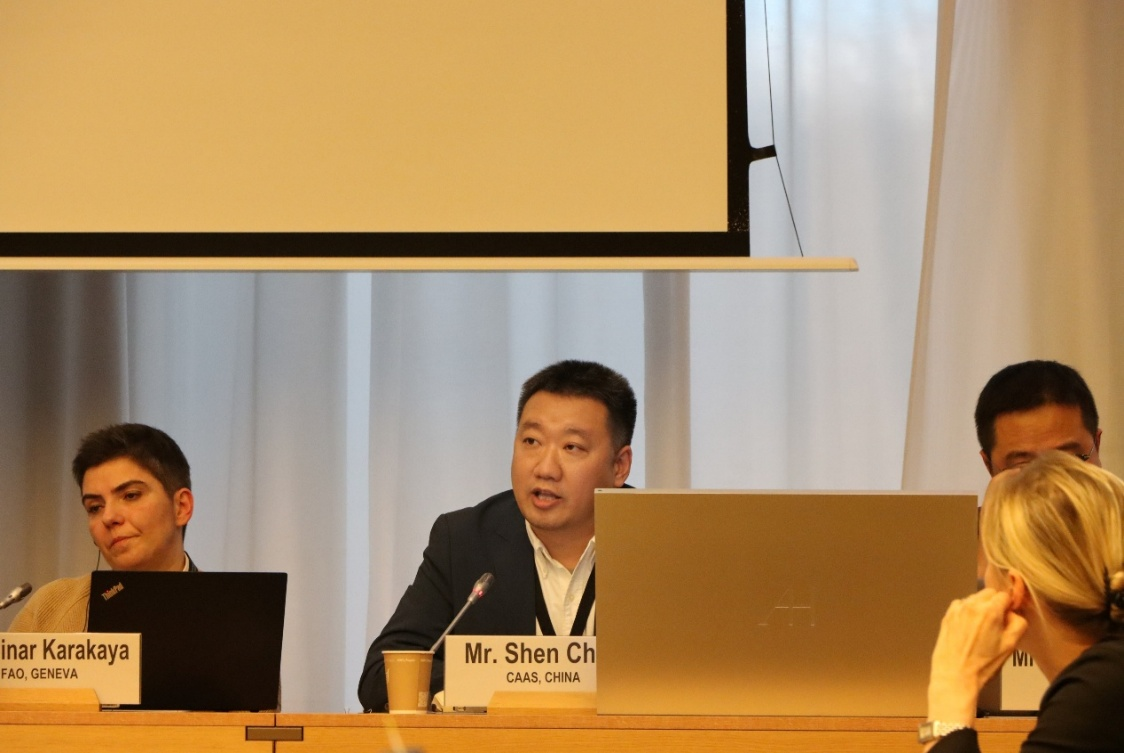
Associate Researcher Shen Chen from the Institute of Agricultural Information, Chinese Academy of Agricultural Sciences, delivered a speech.
Jiang Jundong, Chief Financial Officer of Qianhai Yueshi—China's leading multinational enterprise in digital agricultural trade—highlighted the application and advantages of digital intelligent systems and ecological networks within agricultural cold chains, using his company's global agricultural cold chain ecosystem platform as an example. Subsequently, attendees posed questions regarding the digital transformation of agricultural supply chains, corporate digital models, and the benefits of digitalization for farmers, to which the panelists provided detailed responses.
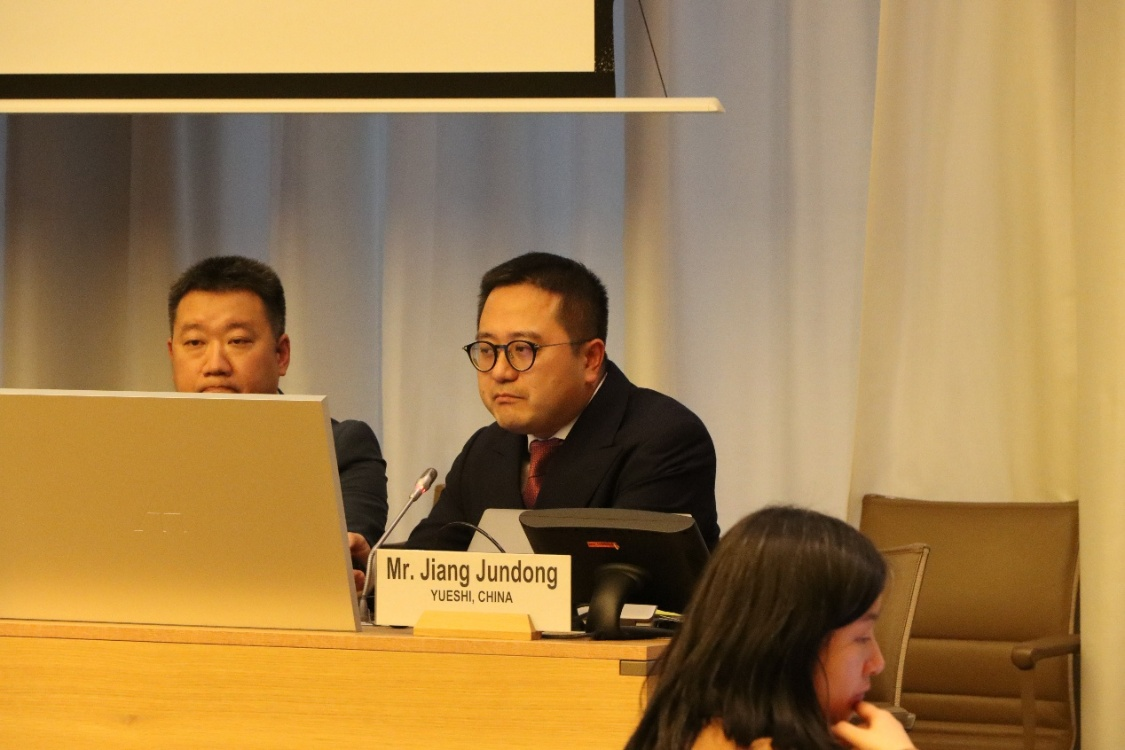
Jiang Jundong, Chief Financial Officer of Qianhai Yue Shi, delivered a speech.
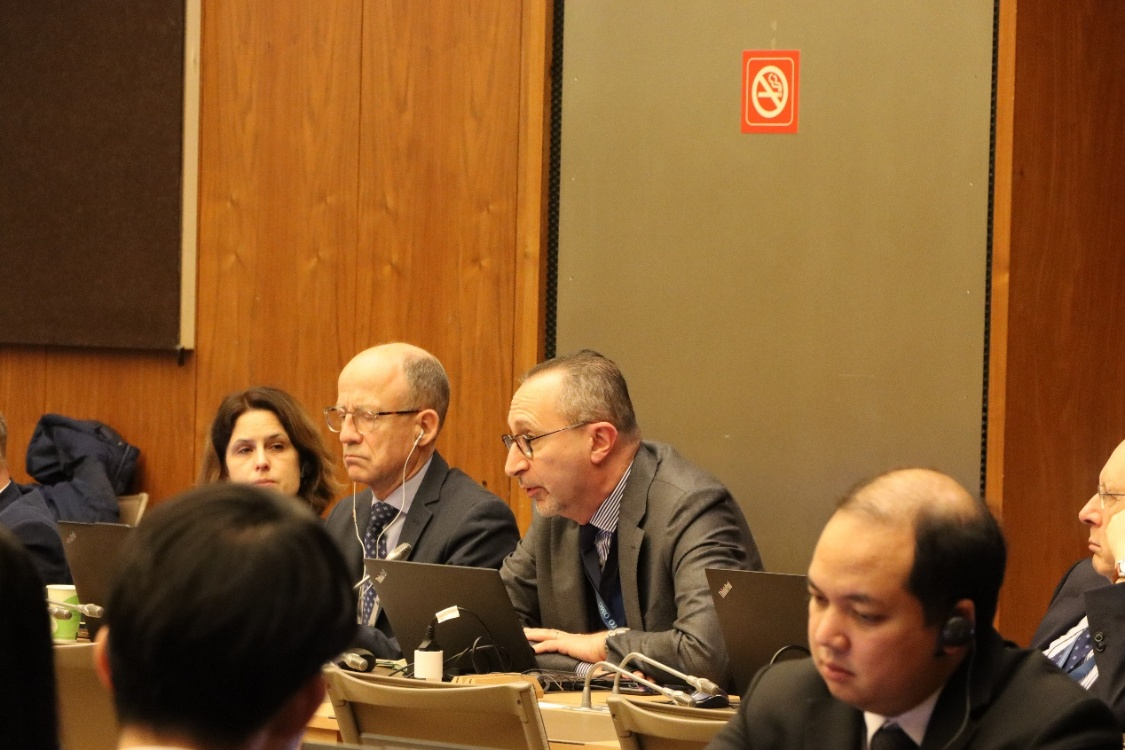
The attendees engaged in lively discussions with the audience.
China's experience in promoting sustainable agricultural development shared within the WTO framework has drawn widespread attention. Xinhua News Agency featured a special report on the initiative, highly commending it as a valuable reference for global cooperation.
As a complementary event to the thematic seminar, the China Foreign Affairs University (CFAU) spearheaded a collaborative effort with Malipo County—a designated poverty alleviation partner of the Ministry of Foreign Affairs—to host a promotional activity showcasing China's ancient tea tree culture. Supported by Xinhua Guochai, the event vividly narrated China's tea story through diverse formats including displays of Malipo's specialty tea products, tea art demonstrations, tea tastings, ethnic music performances, an exhibition of poverty alleviation achievements, and presentations documenting rural development. It comprehensively highlighted the remarkable outcomes of the Ministry of Foreign Affairs' targeted assistance to Malipo County. The event was warmly received and garnered widespread acclaim. This initiative represents a proactive step by the China Foreign Affairs University in diplomatic assistance efforts, further empowering Malipo's tea industry to evolve from its role as a “leaf of prosperity” in poverty alleviation to a “golden calling card” that drives rural revitalization and bridges international exchanges.
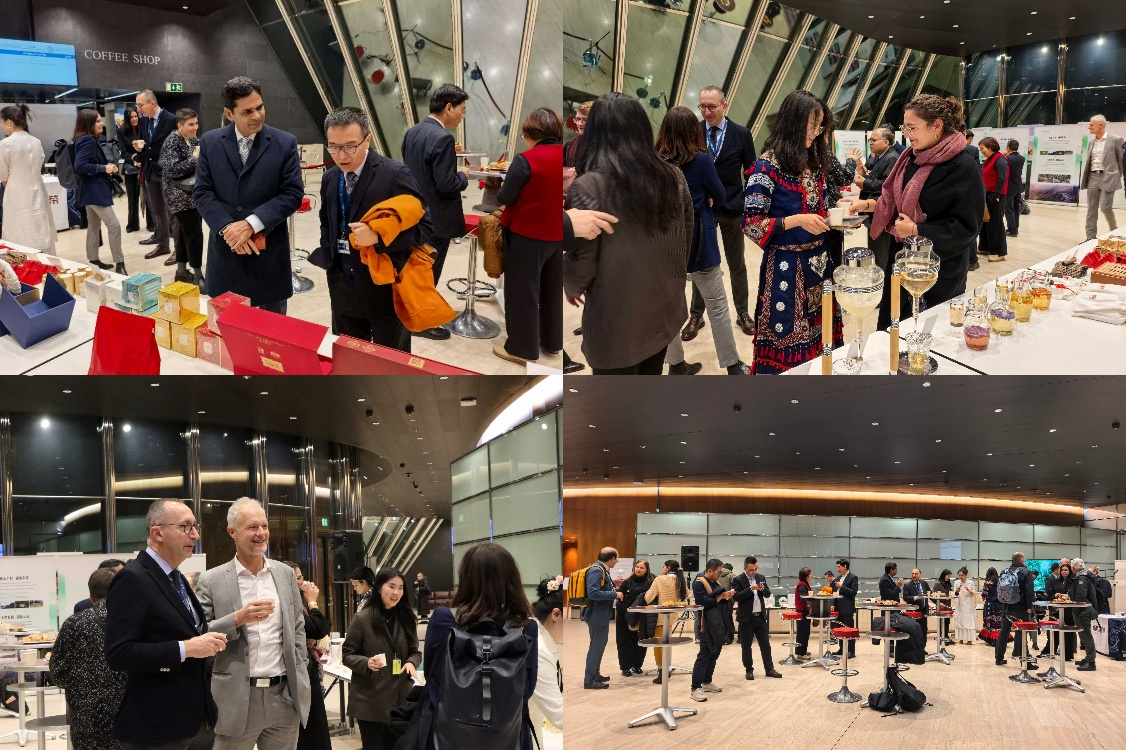
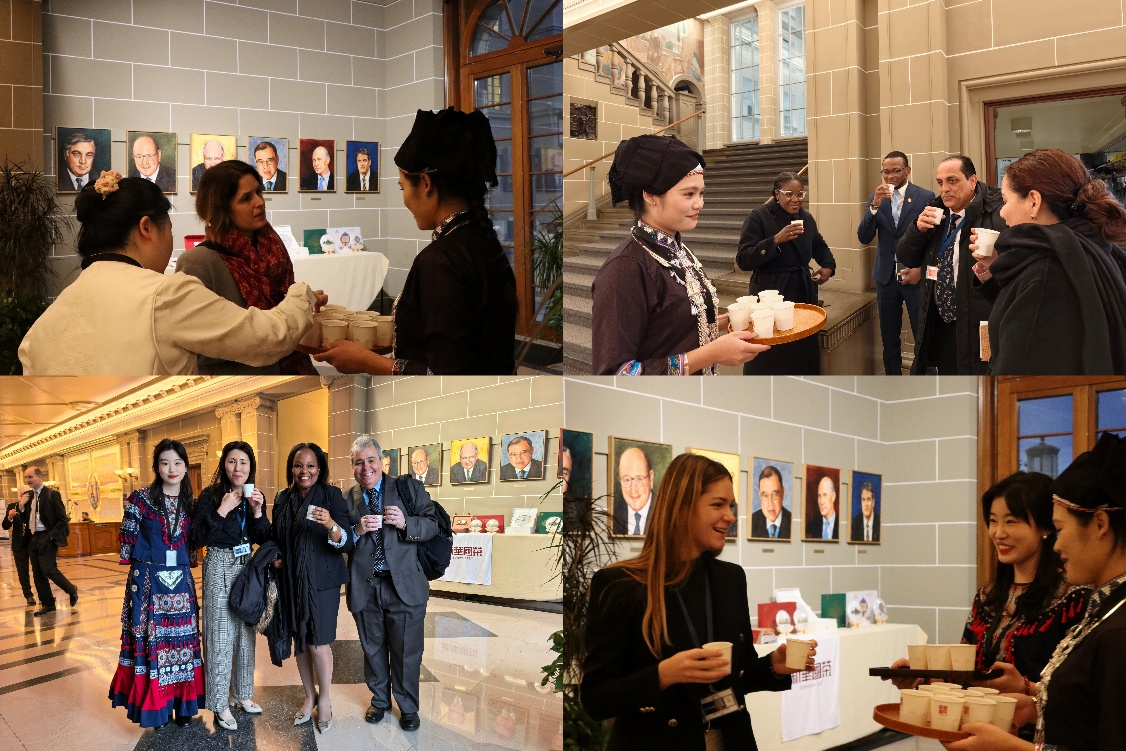
Malipo Ancient Tea Trees Enter the World Trade Organization, Drawing Widespread Praise from Friends Around the World
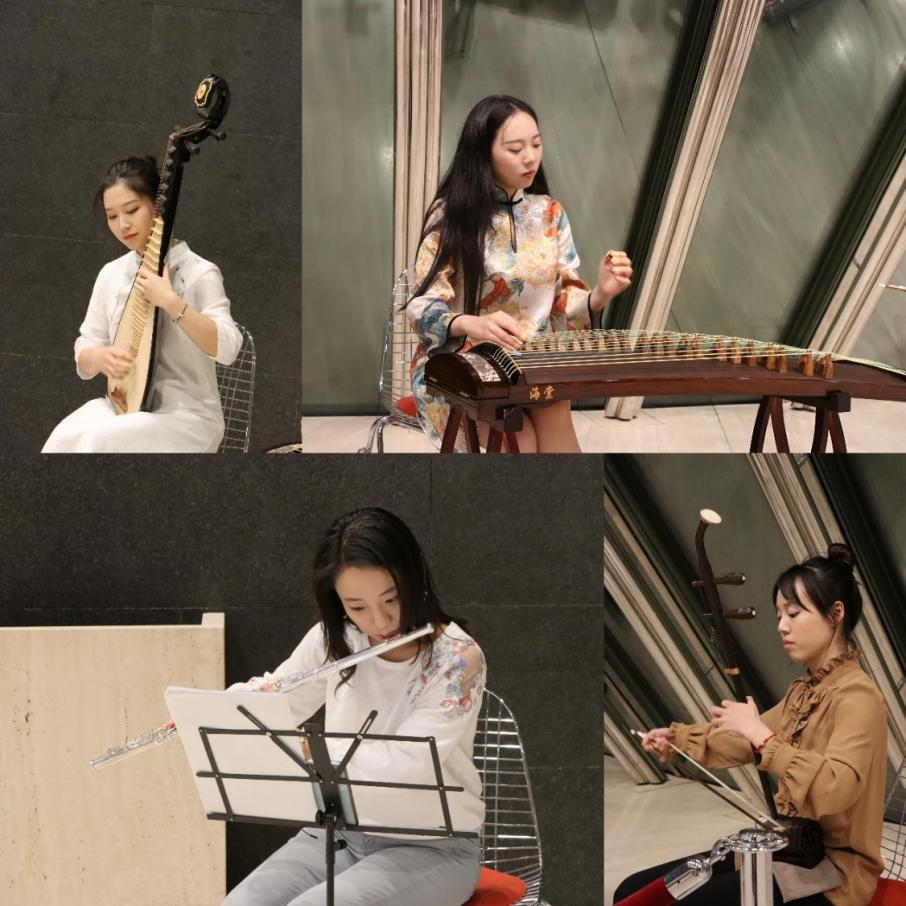
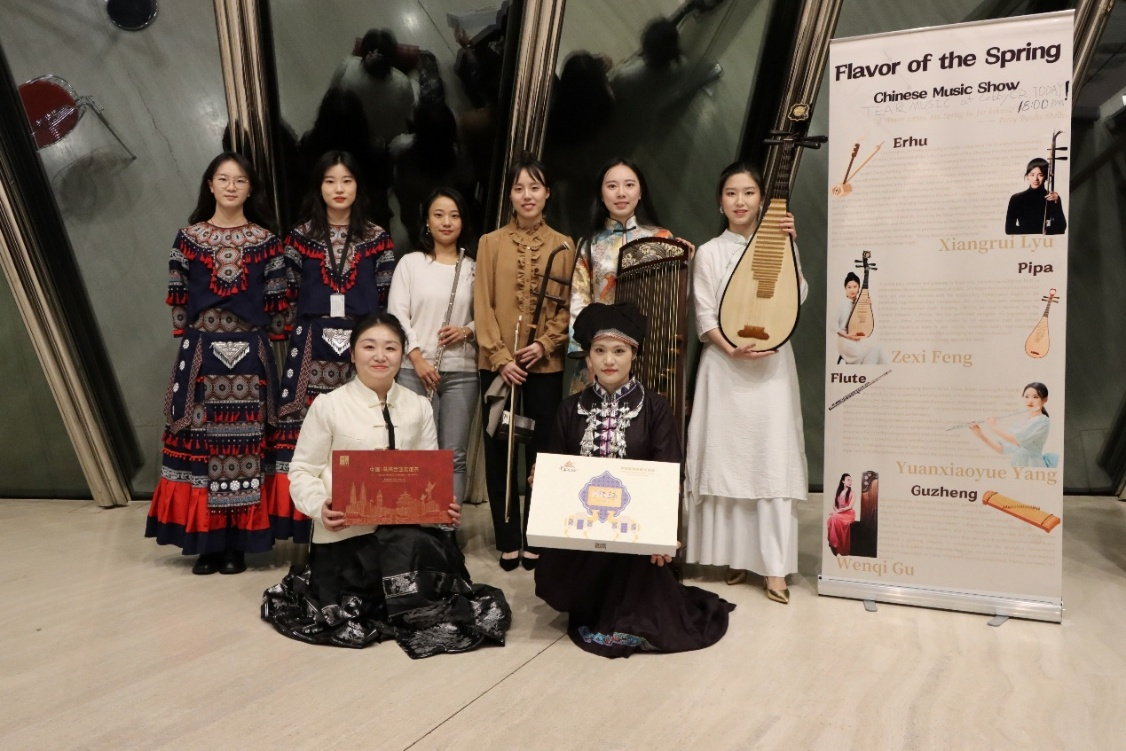
Faculty and students from the China Foreign Affairs University staged a performance of Chinese ethnic music to promote Chinese tea culture.
“Alone we go fast, together we go far.” China places high importance on the sustainable development of global agriculture and trade. As President Xi Jinping has emphasized, China stands ready to join hands with the international community to implement the Global Development Initiative, advance the United Nations 2030 Agenda for Sustainable Development, and promote the building of a community with a shared future for mankind, making new and greater contributions to enhancing the well-being of people around the world.
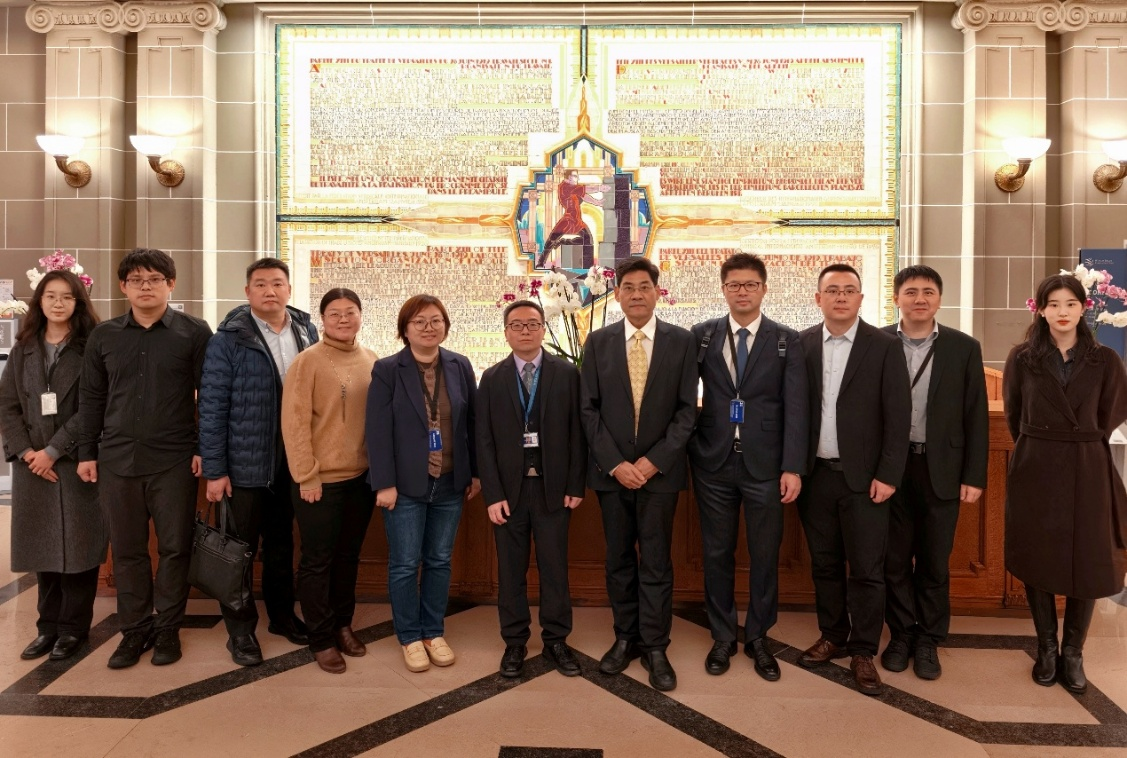
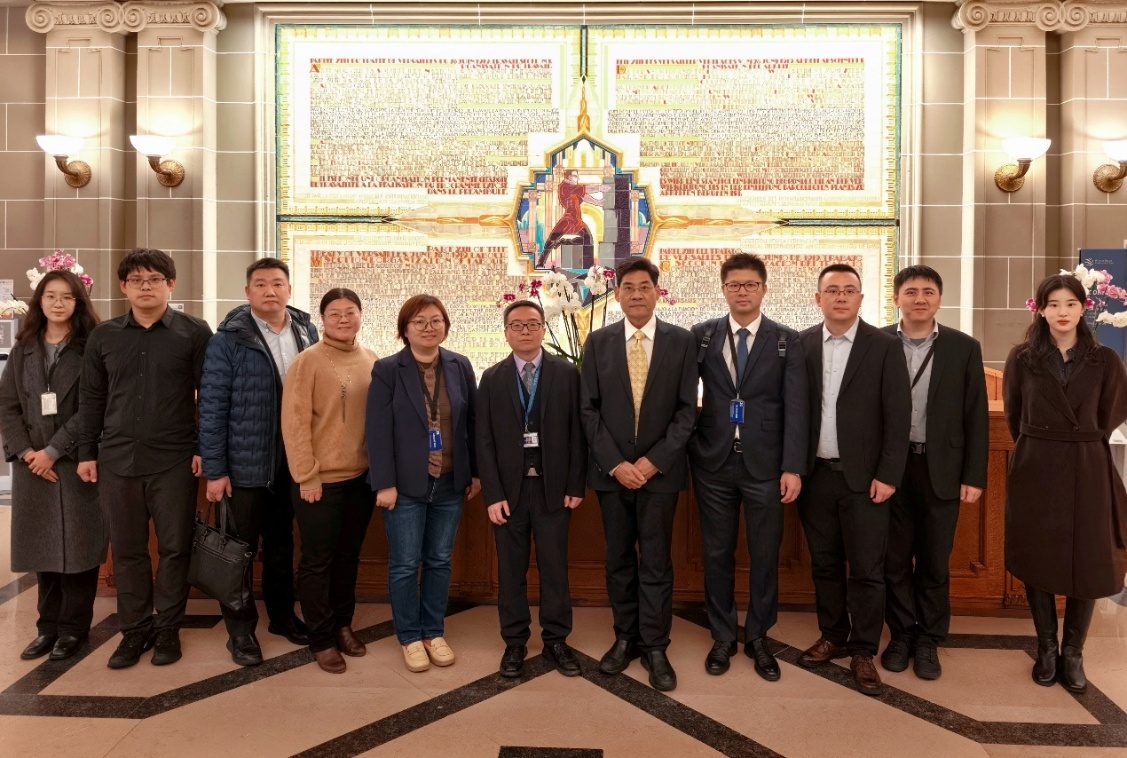
Group photo of Chinese participants at the symposium
